

Musings on Thiruvachagam
By – Shri V.Subramanian
Preamble
Any attempt to translate Thiruvachagam, for ordinary mortals like me, is like a toddler venturing to do, “The Kailash Parikrama”. But then, Shiva being Shiva is as much accessible to even a lizard, a spider and ants (as the great shrines would testify) as He is to the loftiest of Yogis & Sidha purushas. Only in the light of this, I am taking a plunge into this indescribable, inexhaustible reservoir of blissful Ambrosio, solely banking upon his grace and guidance.
I think it behoves to add a few more significant things to the preamble . This month of Aani in Tamil calendar ( Mithuna in sanskrit ) is extraordinarily auspicious for Lord Nataraja and Manikavachagar in particular . At Chidambaram (the Panchabutha sthalam for Akash) brahmotsavam takes place in this month for 10 days concluding on Aani uttaram with a spectacular Abhishegam for Nataraja . Aani Magam is the day when Manikavachagar merged with Nataraja. Hence the inner call to do some kind of translation work is nothing but Divine designs from the highest realms ! Long time back, My Master revealed ” some blessed souls have reached Kailash , some have attained Kailash and some precious jewels have merged in Kailash! But whatever and where ever Manikavachagar chooses to be , That is Indeed Kailash , thereby dropping a hint about His dimensions ! It is really worthwhile meditating on this before even touching these outpourings.
Thiruvachagam
Thollai irum piravi, soozhum thalai neeki Allal aruthu aanandham aakiya ne
Ellai maruva neri alikkum, vaadhavoar Tiruvasagam enum thean, tiruvasagam enum thean……
The divine honey known as Thiruvachagam (literally meaning divine outpourings) liberates us from the vicious birth cycles, releasing the karmic bindings from all layers. The ineffable bliss takes over spontaneously.
Comments:
From the outset three key words assert their incredible presence in the outpourings. Release, liberation and bliss. Grace is the sacred string that connects all the three.
1. Release is about expunging all the karmic bindings at all layers – sthula, sukshma and karana – physical, astral and causal.
2. Liberation – Getting liberated from body consciousness and mind factor and becoming one with the soul.
3. Ananda – The intrinsic nature of the soul is nothing but bliss and Shiva-Ananda takes over once the connectivity to the soul is constantly established.
நமச்சிவாய வாஅழ்க நாதன் தாள் வாழ்க
Namasivaya vaazhga , Nadan thal vazzhga , Imai podum yennenjil neengaadhan thal vazhga.
Long live Nama Shivaya Long live the sacred feet of the Lord

Comments:
The sacred tenor of Shiva puranam is like Vaishnavite’s mangalasasanam – The supreme state of the devotional love where the well-being of the lord, preserving and nurturing of His consciousness are the only concerns of the exalted devotee. In consonance with this supreme devotion, the sage thunders in the very first verse, “Long live Nama Shivaya – The panchakshara manthra”. The omnipresent, omnipotent, omniscient Shiva – The God of Gods – is encapsulated in this five letter ultimate manthra. The more the manthra blazes up by constant chanting, the more the entire universe reverberates in all its glory.
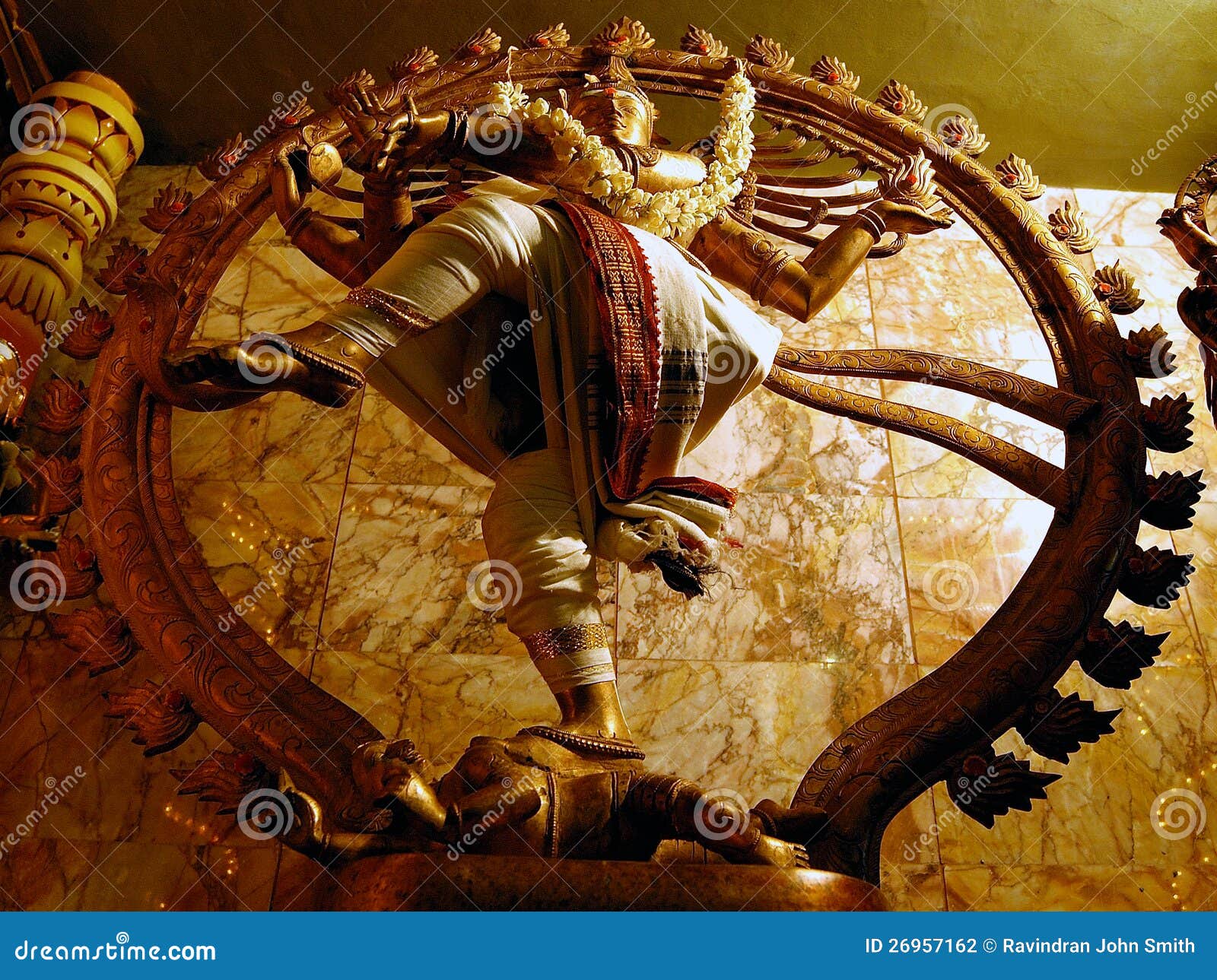
Long live the Sacred feet of the Lord: First and foremost the sage hails the enchanting manthra followed by the exquisite, sacred feet of the lord on a par with the Manthra. Now it is quiet fitting to contemplate little more deeply on this subject of the uniqueness of the sacred feet. Anyone little familiar with the great shrine of lord Nataraja would be knowing how the, “Kunchitha padham” – literally meaning beautiful feet – occupies the pride of place. While the right foot of the Lord resting on apasmara (muyalagan in Tamil – who is the embodiment of confusion and ignorance) signifies the removal of avidhya (illusion), the raised left foot in a beautiful dancing posture represents, ” the torrentialy flowing grace”. The sacred feet is the ultimate refuge for both saints and sinners alike – there is absolutely no sinner that cannot be redeemed by holding on to this feet. Much in the same vein, Appar the great nayanmar has also extolled the greatness of the lord’s feet in his thiruvadi thiruthandagam. To draw another parallel the great Vaishnavaite saint, Swami Nigamanda mahadesigar has sung a powerful ode called Padhuka sahasram glorifying the grace of the padhukas. Besides, there are numerous stories in our scriptures standing in testimony to the redeeming power of the Lord’s sacred feet. Imai podum yennenjil neengaadhan thal vazhga – May long live the sacred feet that is ever etched in my heart chakra.
இமைப்பொழுதும் என் நெஞ்சில் நீங்காதான் தாள் வாழ்க
Imai podum yennenjil neengaadhan thal vazhga
This particular lyric bears repetition any number of times as it exemplifies the inner state of Manikavachagar which is total absorption – a state higher than even the highest meditation. It is not at all an exaggeration to say that even a full life-span may not be enough to do justice to this rhyme alone. Literally translated it means, “May long live the lord’s feet whose presence has not skipped even for a minute span of batting of an eyelid”. In other words the lord’s feet is enshrined in the Sage’s heart eternally.
Now it would be matter of great ecstasy if we could bore into this little further. Here the eternal essence has merged into the individual soul and not vice versa. Symbolically speaking – Much as it may sound hyperbolical – the ocean has merged into the little drop or shall we say the universal source has condensed into a unit!. Isn’t it mind boggling!
கோகழி ஆண்ட குருமணி தன் தாள் வாழ்க
kOgazi yaaNda kurumaNidhan thaaLvaazga
May long live the feet of Guru – gem that reigns supreme on Kogazhi.
Comments:
Now the divine spotlight is on Guru’s grace – “the gem of gems”. Herein it’s being advised that the readers familiarise with Manikavachagars life story. The legend has it that Manikavachagars was specially blessed by the presiding deity of Thiruperundurai, (classical name Kogazhi – meaning a place near a big water body) a port city near Madurai. The deity comes in a human form and magnetically pulls the sage – who was then a prime minister for the Pandya King – into His fold.
Contemplating on the verse we get to realise how subtly it integrates the Guru principle in God and the God Consciousness in the human form of Guru. Guru, Guru’s tradition and Guru principle are inseparably inter-linked and grace from the Guru Mandala (the galaxy of Gurus) is the spontaneous outcome even if anyone connects to any one of these at a deeper level.
ஆகமம் ஆகிநின்று அண்ணிப்பான் தாள் வாழ்க
aagama maagin^in RaNNippaan thaaLvaazga

May long live the Lord’s feet Radiating the Aagamas, bestowing blessed proximity.
Aanipar means granting proximity (samibhyam).
Comments:
Aagamas are the code of conduct for the worship, rituals and religious processes. There are different set of aagamas which have all manifested through God’s guidance and Maharishi’s intuitive power to grasp the divine guidelines. Aagamas afford the grace of proximity to worship and establish communion with the deities. Afterall the all pervading God is equally elusive, often beyond the grasp of even Maha Yogis. In the light of this we get to understand the greatness of Aagamas and how they are serving as bridges between the rainbow and the terrestrial.
ஏகன் அநேகன் இறைவன் அடி வாழ்க
Egan anEgan iRaiva nadivaazga
May long live the feet of the Lord – the one essence that has manifested as many.
Comments: The sage hails rapturously on the subtle “Unity of Consciousness in Diversity”.
Ekan meaning the One or shall we say the “One essence”.
Anekan – Many (Many by its very nature includes many things)
The One and Only eternal essence that has taken many forms representing many ideals, many flavours, many purposes, have also entailed many modes of worship through various processes of Manthra, Yanthra and Thanthra. Quintessentially, Indescribable beauty in infinite variety.
பிறப்பறுக்கும் பிஞ்ஞகன்தன் பெய்கழல்கள் வெல்க
Pirapparukkum Pinyakkan than peikazhalgal velga

May victory ever dazzle on the jeweled feet of the Lord with matted locks who terminates the birth cycle .
Pirapparukkum: Put an end to the birth cycle
Pinyakkan than: One with matted locks (jata)
Peikazal: Jeweled feet
Velga = Victory or success
Comments :
Down the ages Saints and Devotees have gone in to raptures over Shiva’s bewitching Jata -the dread locks. For the benefit of the readers I am adding some more information gleaned from other sources shedding light on the significance of Jata. It represents Vayu or wind or we may even call it as Prana -The Source of our Existence.
The Jata also carries two incredibly phenomenal things. One is the crescent moon and the other the eternal Ganga.
Moon represents time as well as mind and by having it on his jata as an ornament Shiva demonstrates His control over mind and time.
Ganga -The great purifier has descended from the celestial world, – thanks to the extraordinary penance and perseverance of Bhageerathan – and was caught in Shiva’s jata as Mother earth could not stand its force. Shiva then let loose a strand of his locks and Ganga starts its journey again to mother earth majestically.
On a personal note, if we can hold on to this jata ( internalize )in our contemplation with this chant even for a few minutes in our daily routine it really can do wonders for our awakening and put an end to the vicious birth cycles.
When we look upon Shiva in His “Virat Swaroopam” – The universal form, Kedarnath is the Siras (head ) and Arunachala the Sikai (tuft ). Whenever we go on pilgrimages to these powerful Shiva centers, knowing these nuggets would make a difference. Hence these add- on!
புறந்தார்க்குச் சேயோன் தன் பூங்கழல்கள் வெல்க
puRaththaarkku chEyOnRan pUN^kazalgaL velga
May the fragrance of victory ever waft on the Lotus feet of the lord who distances from those who deny him.
puRaththaarkku : Those who deny or disown or steeped in external world
chEyOn: Distant.
pUN^kazalgaL: Lotus feet
velga: Victory

Comments:
Almost always God is like a mirror. Much as He is waiting to embrace His devotees, He is equally a distant blur for those who deny or disown or discard Him. PuRaththaarkku also mean those who are steeped in the external world without any care or thought for the inner journey or inner richness. In this verse, the sage projects an insight into the other side of Shiva, who can just choose to be absolutely disconnected to those who deny Him. In other words we get to know the importance of the basics – Remembrance and Gratitude more than any other mode of worship.


 Brindavan